
In modern poultry farm construction, managing moisture is just as important as selecting high-quality building materials.
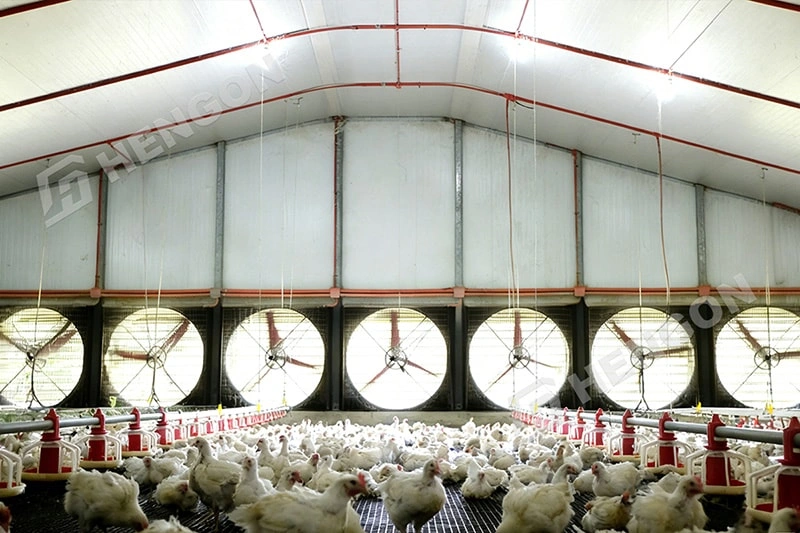
Without proper moisture control, even well-designed insulation systems can fail over time.
One of the best but often overlooked solutions is using a vapor barrier correctly. This is important in poultry sheds that face high humidity, ground moisture, and temperature changes.
This article explains how vapor barriers stop moisture, reduce heat loss, and protect insulation systems for long-lasting performance.
Understanding Moisture Vapor in Poultry Buildings
Poultry buildings operate under unique environmental conditions:
● Continuous moisture vapor from birds, drinker lines, and manure
● Warm indoor air meeting colder roof or wall surfaces
● Moisture rising from the concrete slab or surrounding ground
If you do not control moisture vapor, it can move into wall insulation, ceiling systems, and crawl spaces. This can cause condensation and damage to materials.
What Does a Vapor Barrier Do?
Manufacturers usually make a vapor barrier from a polyethylene sheet. It acts as a protective layer that controls moisture in the building.
Its main functions include:
● Blocking moisture vapor before it enters insulation layers
● Reducing the risk of condensation inside walls and ceilings
● Protecting building materials such as steel frames and gypsum board
● Maintaining insulation efficiency over the long term
Simply put, a vapor barrier does not generate insulation — it preserves insulation performance.
Preventing Moisture Damage in Insulation Systems
Without a proper barrier installation:
● Moisture penetrates absorbent insulation materials
● Condensation forms when warm air meets cold surfaces
● Insulation becomes damp, reducing heat retention
● Structural components face higher corrosion risk
A properly installed polyethylene sheet keeps insulation dry, stable, and effective. This is especially important in cold climates or areas with big temperature changes.
Correct Installation Process and Layer Arrangement
To control moisture effectively, vapor barriers must be installed on the warm side of the building envelope.
A standard ceiling or wall structure includes:
● Interior finish (metal panel or gypsum board)
● Vapor barrier (polyethylene sheet)
● Insulation layer
● External roof or wall panel
This installation process prevents warm, moist air from reaching colder zones where condensation would occur.
Managing Ground Moisture and Concrete Slabs
Moisture does not only come from the air.
In many poultry farm projects, ground moisture rises through the concrete slab and affects interior conditions.
When you use good wall insulation and vapor barriers, you can control moisture from slabs and foundations. This helps improve indoor stability and reduces long-term maintenance problems.
Long-Term Benefits of Proper Moisture Control
Effective moisture control delivers multiple advantages:
● Reduces heat loss and energy consumption
● Extends the service life of insulation and steel structures
● Lowers the risk of mold, corrosion, and material failure
● Improves animal comfort and production performance
From an engineering perspective, vapor barriers are one of the lowest-cost solutions with the highest long-term return.
Compliance with Local Building Codes
Many local building codes already require vapor barriers in insulated structures, particularly in cold or humid regions.
This detail is crucial for poultry buildings in tropical and humid areas, like the Philippines and Indonesia.
In these markets, poultry sheds work in high moisture levels. They also face strong sunlight and significant temperature fluctuations between day and night.
Without a proper vapor barrier, moisture vapor easily penetrates insulation layers, causing condensation, reduced thermal performance, and long-term material damage.
Following these standards not only ensures compliance but also avoids costly corrections after construction.
A Small Detail That Makes a Significant Difference
In poultry farm projects, moisture control should always be considered as a system — including insulation, ventilation, and vapor barriers.
A simple polyethylene sheet, when installed properly, helps control moisture. It protects building materials and ensures good performance during the building's life.
Talk to Our Engineering Team
If you are planning poultry sheds, upgrading insulation systems, or reviewing barrier installation details, our technical team is ready to support your project.
If you want to learn more or discuss your project with our team, feel free to contact us:
Email: consultant7@hglsgroup.com
Phone: 0086-19398195396
Website: www.pebbuildingstructure.com
We focus on practical engineering solutions — built for real operating conditions and long-term results.
 English
 Español
 Français