
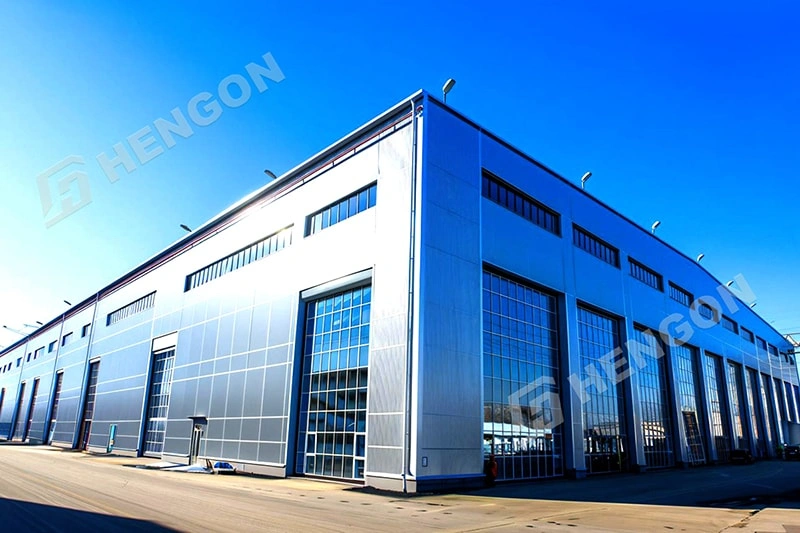
Introduction: The Evolution of Modern Construction
Global construction is changing. Moving towards faster, greener, and cheaper solutions.
Pre-Engineered Buildings (PEB) are now important for modern infrastructure. Today’s PEB systems are not just for traditional industrial sheds. They now support commercial projects, public facilities, logistics hubs, residential buildings, and large urban developments. This article explores why PEB has become the preferred building solution for forward-thinking developers, architects, and contractors worldwide.
What Is a Pre-Engineered Building (PEB)?
A Pre-Engineered Building is a system that designers fully design and manufacturers make in a factory. They then deliver it to the site for assembly. Using standard parts like beams, columns, bracing, and roof or wall panels, PEB ensures accuracy. This method also reduces material waste and speeds up construction.
In simple terms, a PEB is like assembling a high-strength structural “kit,” engineered for maximum efficiency and durability.
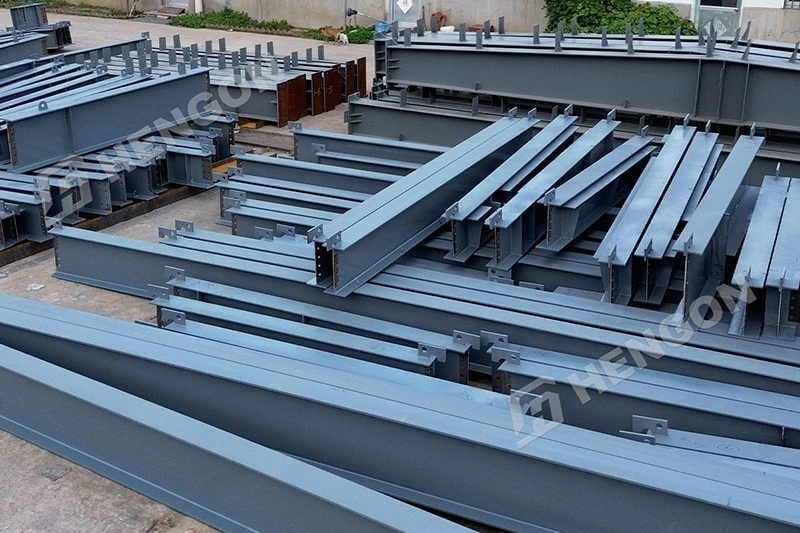
Rapid Construction with High Precision
One of the greatest advantages of PEB is speed.
Because the team manufactures all major components in advance, on-site work remains limited to assembly. This reduces construction time by 30–50%, minimizes weather-related delays, and ensures consistent quality throughout the process.
Factory-controlled production also means tighter tolerances and fewer installation errors, resulting in a more reliable long-term structure.
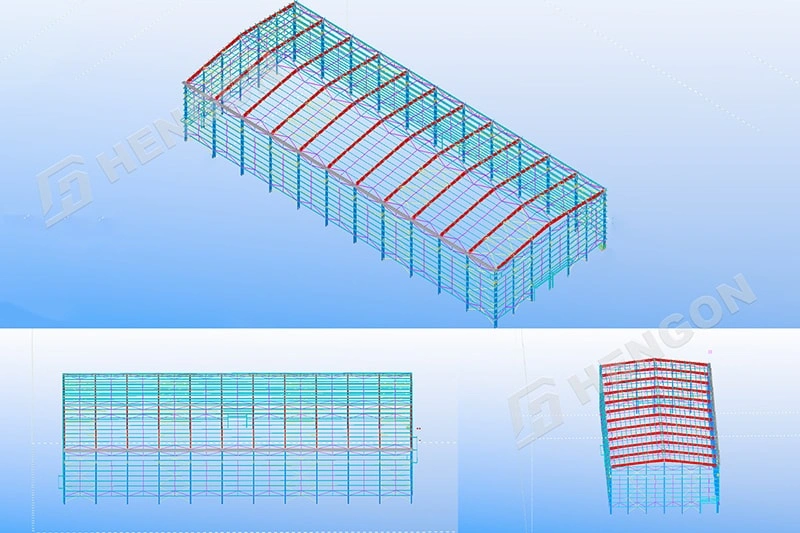
Cost Efficiency Without Compromise
PEB systems optimize material usage and streamline fabrication, making them significantly more economical than conventional construction. Developers benefit from:
Reduced steel consumption
Lower labor and installation costs
Shorter overall project timelines
Reduced rework and waste
This combination delivers a higher return on investment without compromising structural strength or safety.
Sustainability and Green Building Advantages
Sustainability is a defining factor for modern infrastructure, and PEB naturally aligns with green-building principles:
Steel materials are recyclable
Factory-controlled production reduces waste
Components can be dismantled, reused, or relocated
Designs can integrate solar panels and energy-saving systems
Improved thermal performance lowers operational costs
These features make PEB a future-ready solution for industries seeking eco-friendly development.
Structural Strength and Design Flexibility
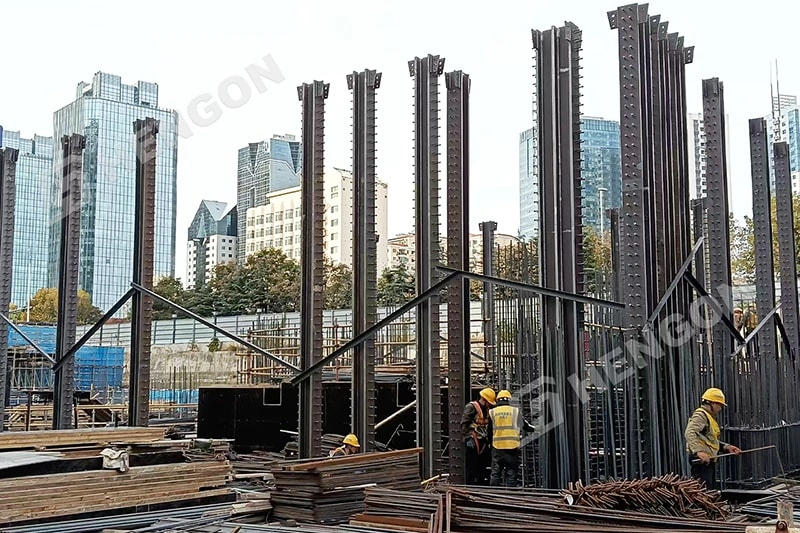
Despite their efficiency, PEB structures deliver exceptional performance:
Engineered to withstand heavy wind, snow, and seismic loads
Capable of achieving large clear spans
Adaptable for mezzanines, cranes, façades, and architectural enhancements
Suitable for both simple warehouses and complex commercial facilities
Modern PEB designs offer freedom comparable to, and often exceeding, traditional construction methods.
Low Maintenance and Long-Term Durability
Because PEB components are precisely fabricated and often coated for corrosion protection, the buildings require minimal maintenance throughout their lifecycle. High-quality steel combined with optimized engineering ensures longevity, making PEB ideal for long-term industrial, commercial, and infrastructure applications.
Applications Across Multiple Sectors
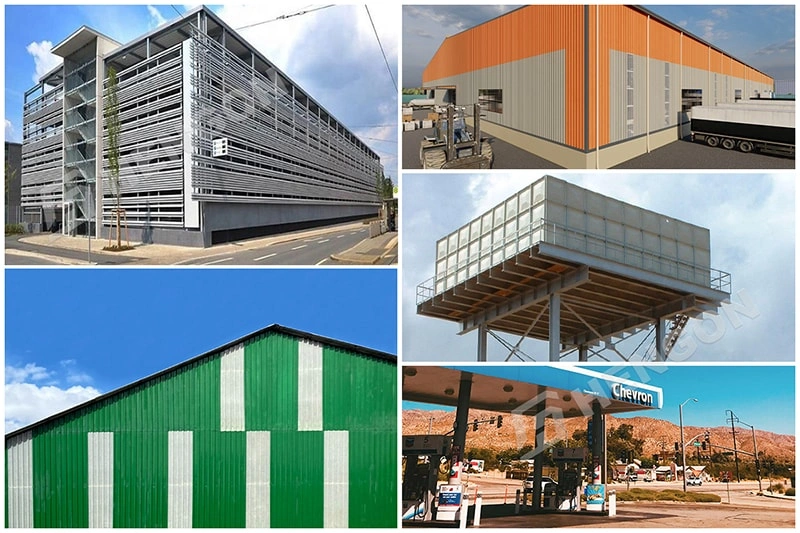
PEB structures are widely used across sectors including:
Industrial: factories, logistics centers, cold storage
Commercial: malls, showrooms, office buildings
Institutional: schools, auditoriums, training centers
Infrastructure: airports, metro stations, transit hubs
Residential: prefab homes, villas, farmhouses
The adaptability of PEB enables seamless customization for different project needs.
Technology Driving the Future of PEB
Modern PEB systems integrate advanced construction technologies:
BIM (Building Information Modeling) for digital accuracy
CNC automated steel fabrication for precision
Pre-assembly checks to ensure zero on-site errors
Compatibility with smart building solutions
These technologies ensure quality, efficiency, and long-term value.
Conclusion: Building Smarter for the Future
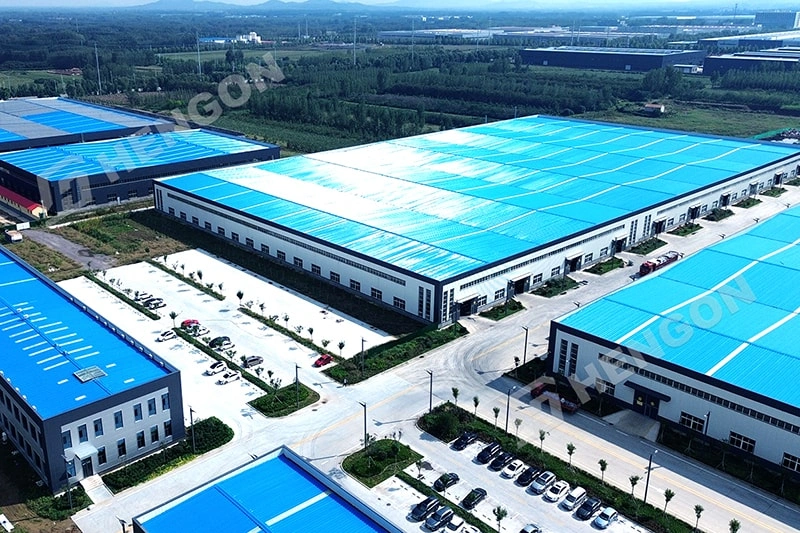
PEB structures mark a new era in construction. They combine speed, sustainability, and long-lasting durability in one solution. As more industries move to prefabricated, high-efficiency building methods, PEB systems will stay important for global infrastructure development.
For developers, architects, and investors who want to build better and quicker, PEB is not just an option. It is the future of construction.
 English
 Español
 Français