
When it comes to buying a steel building, people usually think about the cost, how long it takes to get it, and what it looks like. But contractors who have been around the block know that what really sets suppliers apart is how they put the steel structure together.
No matter how good a design looks on paper, poor fabrication can create installation problems, increase project costs, and even affect the lifespan of the building.
So how is a steel structure actually manufactured? Let's walk through the process inside a modern steel workshop and see what happens before a steel building reaches your project site.
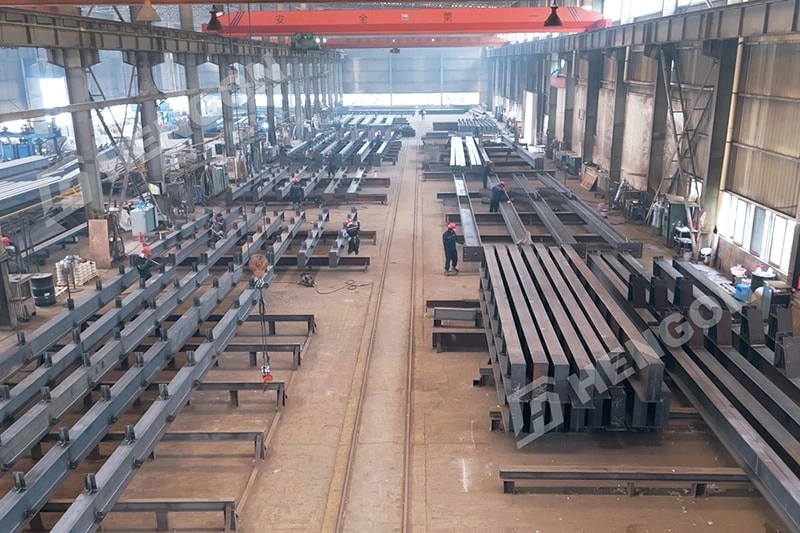
Every steel building begins with high-quality steel plates, H-beams, tubes, or sections.
Before production starts, engineers review the structural drawings and prepare detailed fabrication plans. Modern CNC equipment is then used during the steel processing stage to ensure every component is produced according to exact dimensions.
This level of precision is especially important for warehouses, factories, workshops, commercial buildings, and other large steel structures where hundreds of components must fit together perfectly during installation.
After material preparation, steel components move to the cutting stage.
Advanced CNC flame cutting, plasma cutting, or laser cutting machines are used depending on the thickness and application of the material.
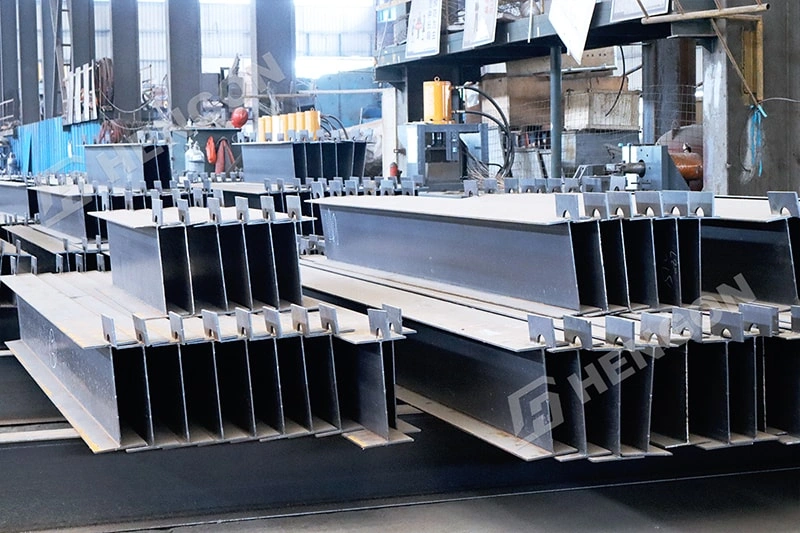
Cutting steel accurately is really important because it helps reduce waste and makes sure everything fits together as it should. If the pieces are even a little bit off, it can cause big problems when it's time to put them together, so getting it right from the start is crucial. This is where precision comes in - it's essential to get the dimensions just right so that every steel piece matches the engineering plans.
After the cutting process is finished, the fabrication teams start putting together the different parts like columns, beams, and trusses, and also the connection plates that hold everything in place.
Welding is one of the most important parts of steel structure fabrication because it directly affects the strength of the finished structure.
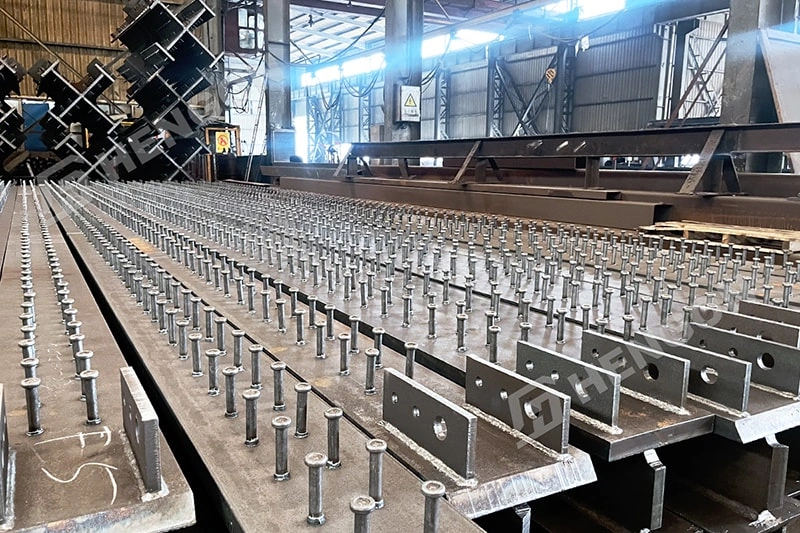
In a typical steel workshop, you'll often find automatic submerged arc welding machines being used to produce consistent welds. This is important because the quality of the welds is crucial for the structural safety and long-term performance of the final product. To make sure everything meets the required standards, critical welds are carefully inspected at various stages of production.
This is particularly crucial for structures that are constantly bombarded by strong winds, heavy snowfall, or frequent crane usage, as these factors can put a tremendous amount of stress on the building's framework.
After fabrication and welding, steel components move to the surface preparation area.
One step many buyers overlook is shot blasting.
During this process, steel surfaces are cleaned using high-speed steel shots that remove rust, scale, oil, and impurities. High-quality manufacturers typically perform shot blasting to Sa 2.5 standards before painting or galvanizing.
Proper surface preparation is essential because coatings can only perform well when applied to a clean surface.
If you skip this step, the paint might not stick as well and the protection against corrosion could be weakened.
Corrosion protection is a major concern for industrial buildings, especially in coastal regions, tropical climates, and high-humidity environments.
Depending on project requirements, steel structures may receive epoxy paint systems, zinc-rich primers, or hot-dip galvanizing.
Hot-dip galvanizing creates a protective zinc layer that significantly extends the service life of the structure and reduces future maintenance costs.
Galvanized steel is still a top choice for many farms, storage facilities, and factories because it lasts a long time and can withstand a lot of wear and tear. It's a reliable option that many people trust for building agricultural buildings, logistics warehouses, and industrial facilities.
A professional supplier does not wait until production is finished to check quality.
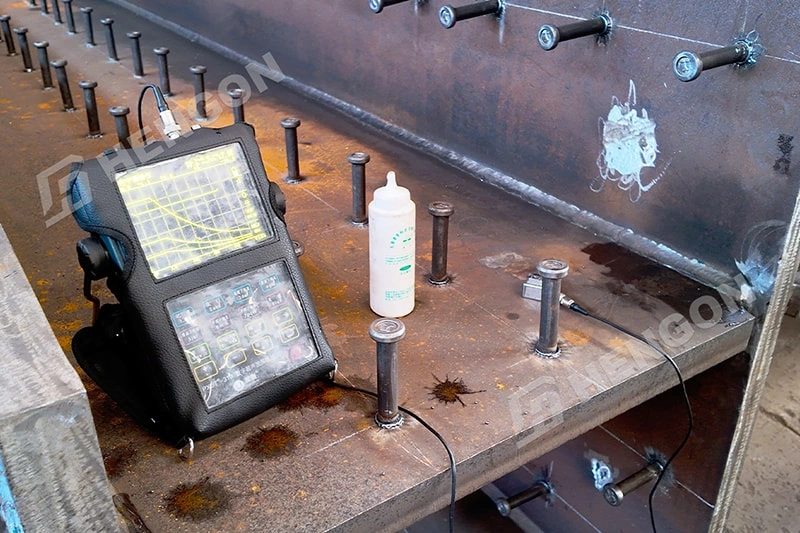
Inspections are done at every step of making steel, from checking the raw materials to looking at the welding, measuring the size, testing the thickness of the coating, and finally packing it up. This way, steel is checked all through the process, not just at the end.
This method is really helpful in finding problems early on, which means that when the finished structure is put together on site, it can be done quickly and without any issues.
For international projects, good quality control also reduces the risk of delays caused by missing or incorrectly fabricated components.
Many buyers compare steel structure suppliers based on quotation alone. However, fabrication quality often has a much greater impact on the overall project cost.
Accurate fabrication means faster installation, fewer site modifications, lower labor costs, and fewer delays.
When a structure is manufactured correctly in the factory, the installation team can focus on assembly instead of correcting fabrication errors.
One of the main benefits of working with a seasoned steel workshop is that they adhere to rigorous production standards, which is a huge plus.
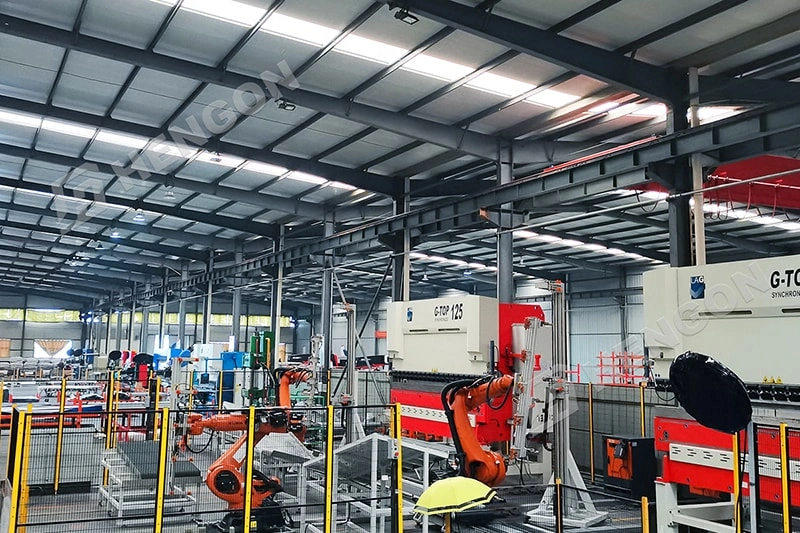
Behind every successful steel building is a carefully managed steel structure fabrication process.
From cutting and welding to shot blasting, galvanizing, and final inspection, every step contributes to the strength, durability, and installation efficiency of the finished structure.
When it comes to building a warehouse, workshop, factory, or any other kind of commercial or industrial space, knowing the ins and outs of professional steel processing can be a huge help. It can make all the difference in picking the right supplier and avoiding expensive issues down the line. By understanding how steel is processed, you can make informed decisions and ensure that your project turns out exactly as you envisioned it.
Looking for a reliable steel structure fabrication partner?
HENGON offers a full range of services, from design to manufacturing, surface treatment, and export, for a variety of buildings and structures, including warehouses, workshops, factories, commercial buildings, and large-span steel structures, catering to clients all over the world.
Email: consultant8@hglsgroup.com
Website: www.pebbuildingstructure.com
 English
 Español
 Français