
When planning a factory, warehouse, production plant, or industrial facility, one concern stays the same.
How can you build faster, cut long-term costs, and still keep the building strong for years?
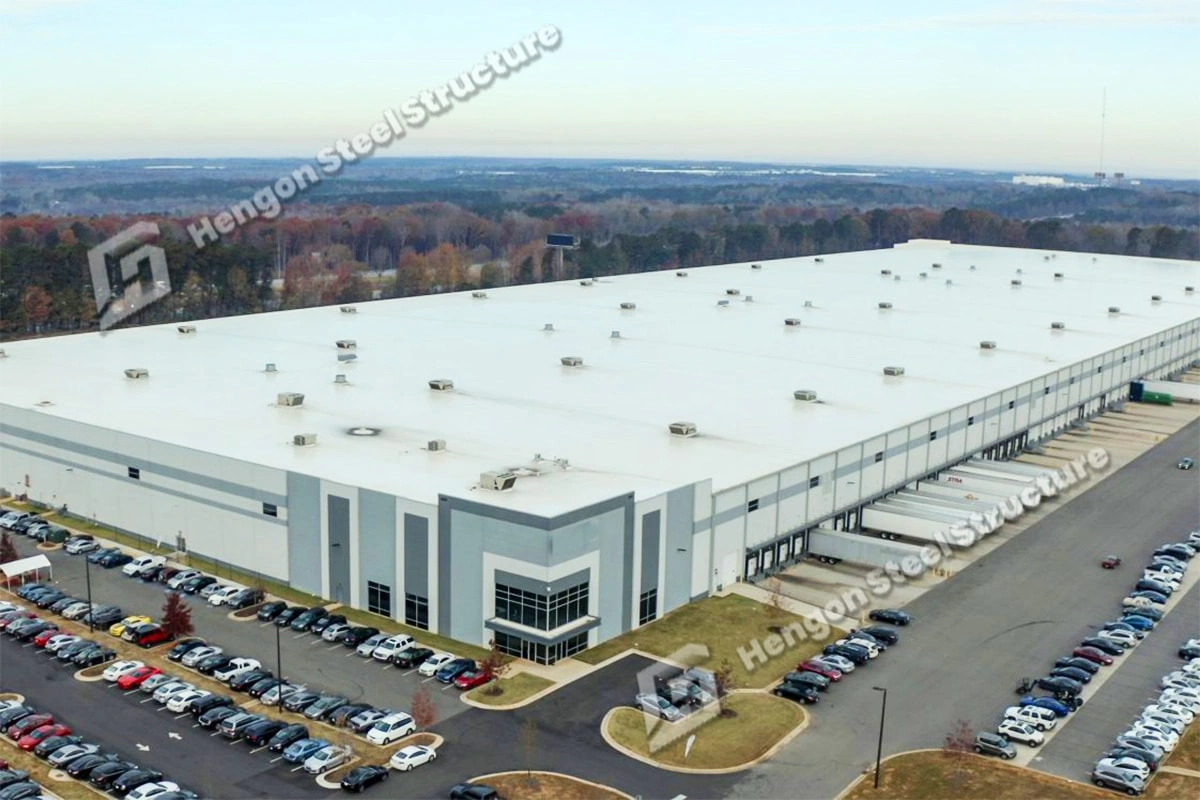
That is exactly why more companies are choosing Steel Structure Workshop buildings instead of traditional concrete structures.
Compared with conventional construction, a prefabricated steel workshop builds faster, expands more easily, and better suits modern industrial production. For many manufacturers, logistics companies, and engineering contractors, steel buildings have become the practical choice for projects that need both efficiency and flexibility.
What Is a Steel Structure Workshop?
A Steel Structure Workshop is a prefabricated industrial building mainly composed of steel columns, steel beams, purlins, roof systems, and wall systems.
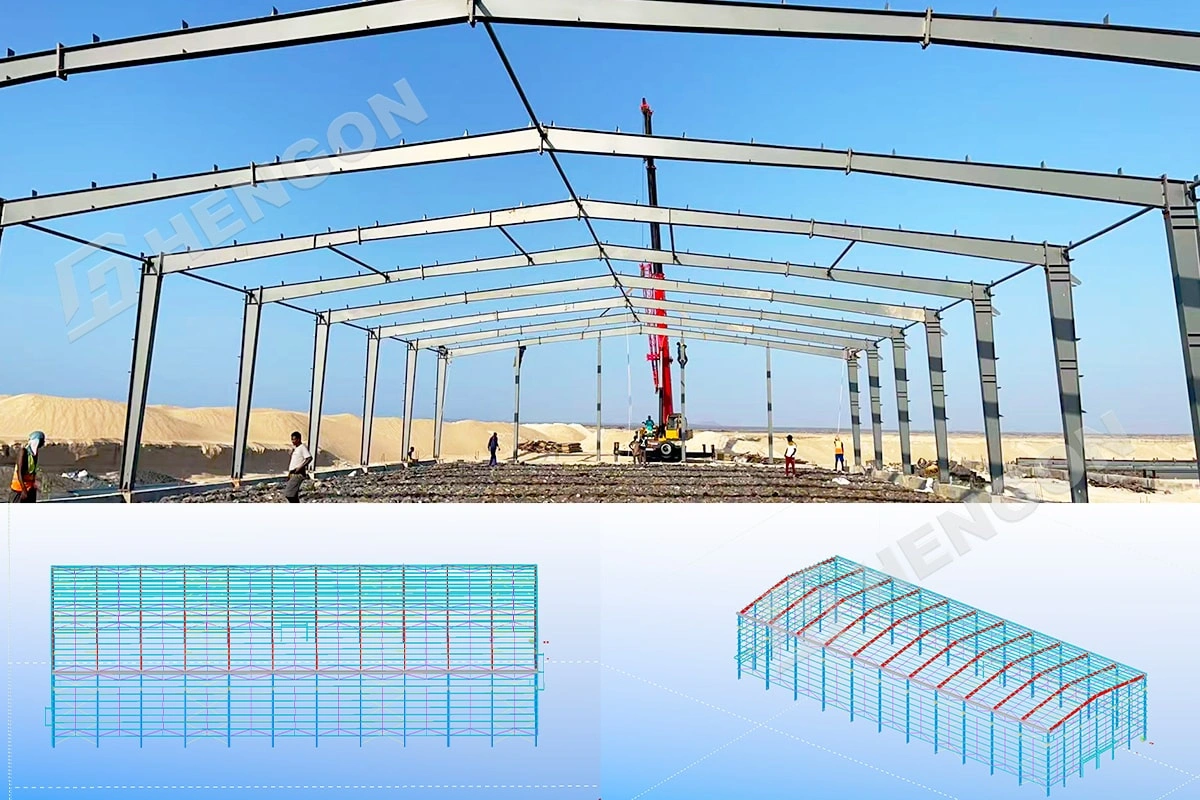
Most components are processed in the factory first and then transported to the project site for installation. Because the steel structure is prefabricated, the on-site construction process becomes much faster and more organized.
Roof and wall panels are usually installed with overlaps. This helps improve waterproofing and reduces gaps exposed to the outdoors. Depending on the project requirements, different insulation panels, sandwich panels, or metal sheets can also be selected.
Today, steel structure workshop buildings are widely used for:
Industrial factories
Production workshops
Logistics warehouses
Agricultural buildings
Maintenance workshops
Commercial storage facilities
Prefabricated manufacturing plants
Why More Customers Choose Prefabricated Steel Workshops?
One of the biggest advantages of a prefabricated steel workshop is construction speed.
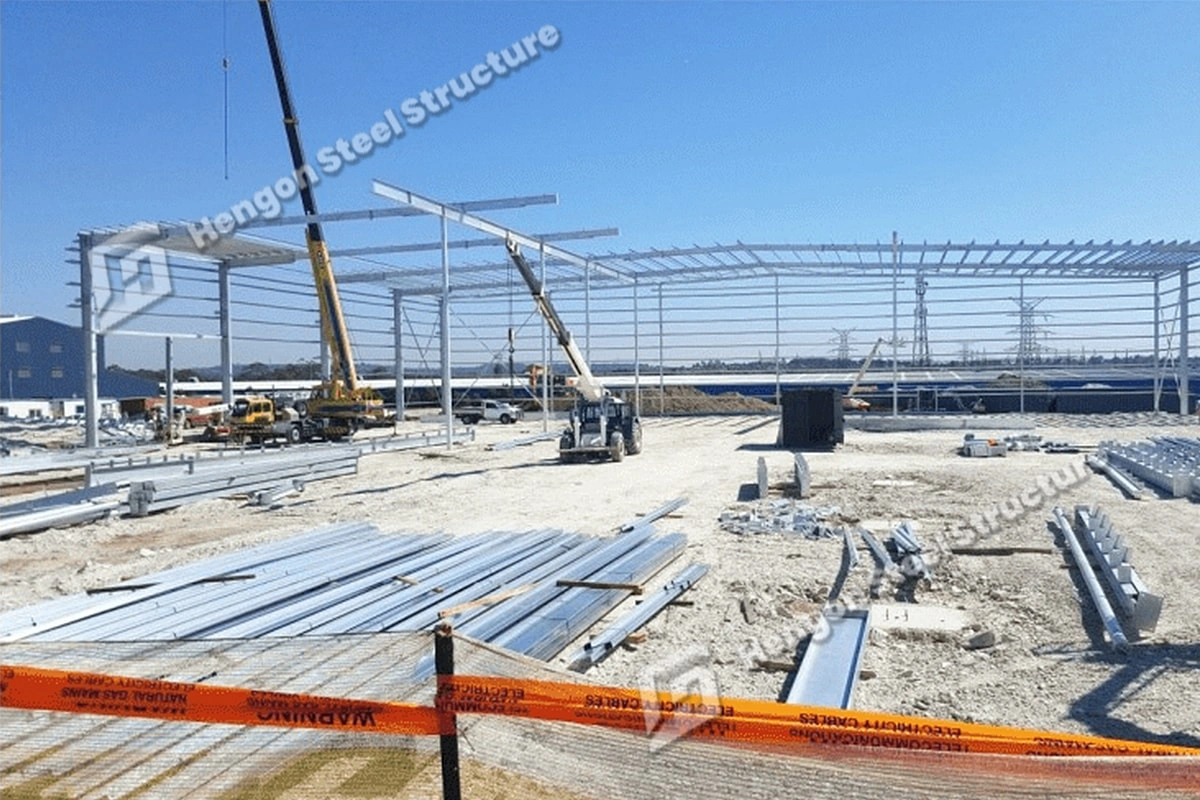
Building with traditional concrete can take a long time, needs a big team of workers, and involves complicated work on site. On the other hand, steel workshop buildings use parts made in a factory. This makes the construction process much faster. This is because the parts are already made and just need to be assembled on site, which saves a lot of time. As a result, steel buildings can be built quickly and with less hassle.
For customers running manufacturing businesses, shorter construction time means production can start earlier.
Another important reason is flexibility. Steel workshop buildings can easily achieve large-span interior spaces without too many columns. This creates more usable space for machinery, storage systems, production lines, and vehicles.
For industrial users, that flexibility matters a lot.
Strong but Lightweight
Many customers are surprised that steel buildings are both lightweight and extremely strong.
When you compare steel workshops to those made of reinforced concrete, you'll often find that steel ones are a lot lighter. But even though they're lighter, they can still handle heavy loads and perform really well. This is a significant advantage because it means you don't need to spend as much on foundations. Plus, moving and setting up a steel workshop is usually a lot easier than it would be with a heavier concrete one.
At the same time, steel structures perform very well under wind load, snow load, and seismic conditions when properly engineered.
That is why steel structure workshops are now commonly used in regions with demanding climate conditions.
Easier Expansion in the Future
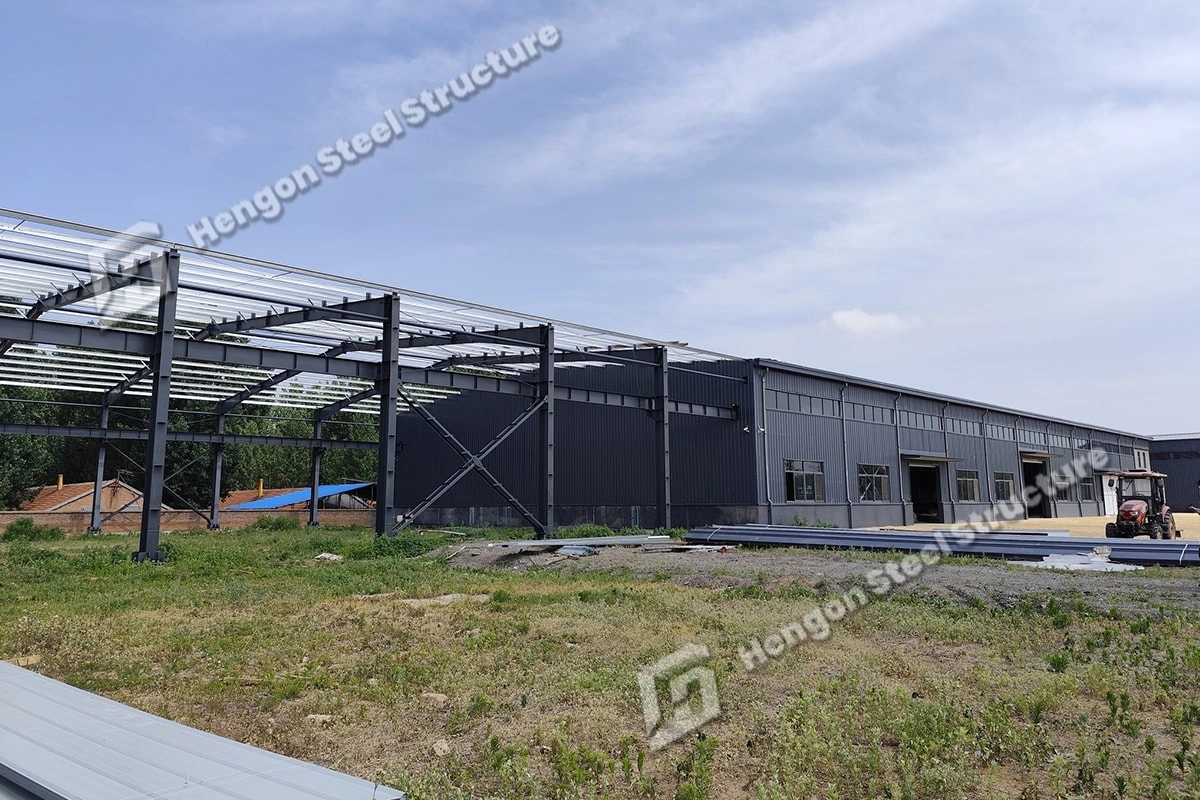
One problem with traditional buildings is that future expansion becomes difficult and expensive.
A steel workshop building is much easier to modify later. If your factory grows and needs additional production space, storage areas, or office sections, the building can often be extended without completely rebuilding the structure.
This can be a big plus for companies that are expanding. It gives them a strong edge that can last for a long time.
Better for Industrial Production
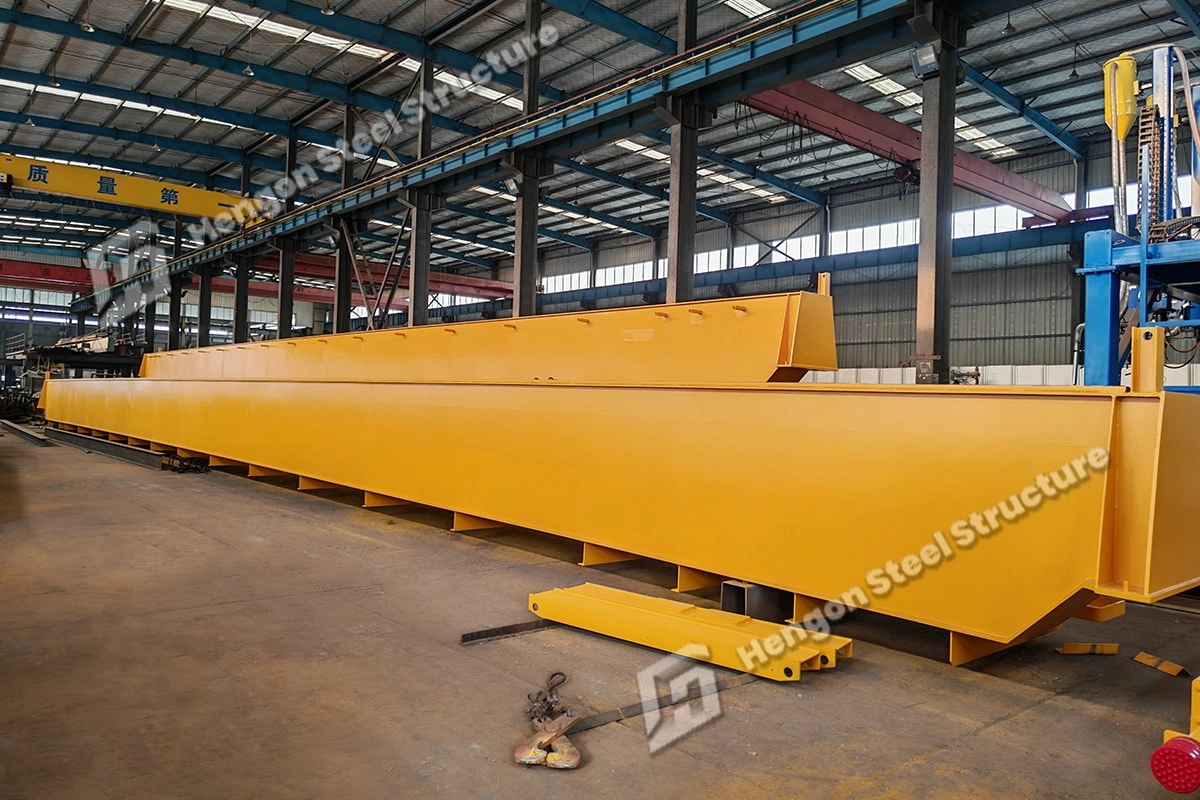
Modern factories require buildings that work efficiently with equipment, ventilation systems, cranes, and logistics flow.
Steel structure workshops can be customized based on actual production requirements. Overhead cranes, mezzanine floors, ventilation systems, loading platforms, and insulation systems can all be integrated into the structural design from the beginning.
This is one reason why steel workshop buildings are widely used for manufacturing plants, machinery factories, metal processing workshops, automotive facilities, and prefab industrial buildings.
Environmentally Friendly Construction
Many developers today also care about sustainable construction.
Steel is a great material because it can be recycled and reused. When you use prefabricated steel buildings, you make less mess on the construction site compared to traditional concrete projects. This is because a lot of the work is done in a factory, so the site stays cleaner and there's less noise from construction.
This makes it a more efficient and quieter way to build. Plus, reducing waste is good for the environment, and steel buildings can help with that.
This is especially beneficial for projects that need to meet modern industrial standards. It gives them an extra edge, making it a valuable asset to have.
Steel Structure Workshop Applications
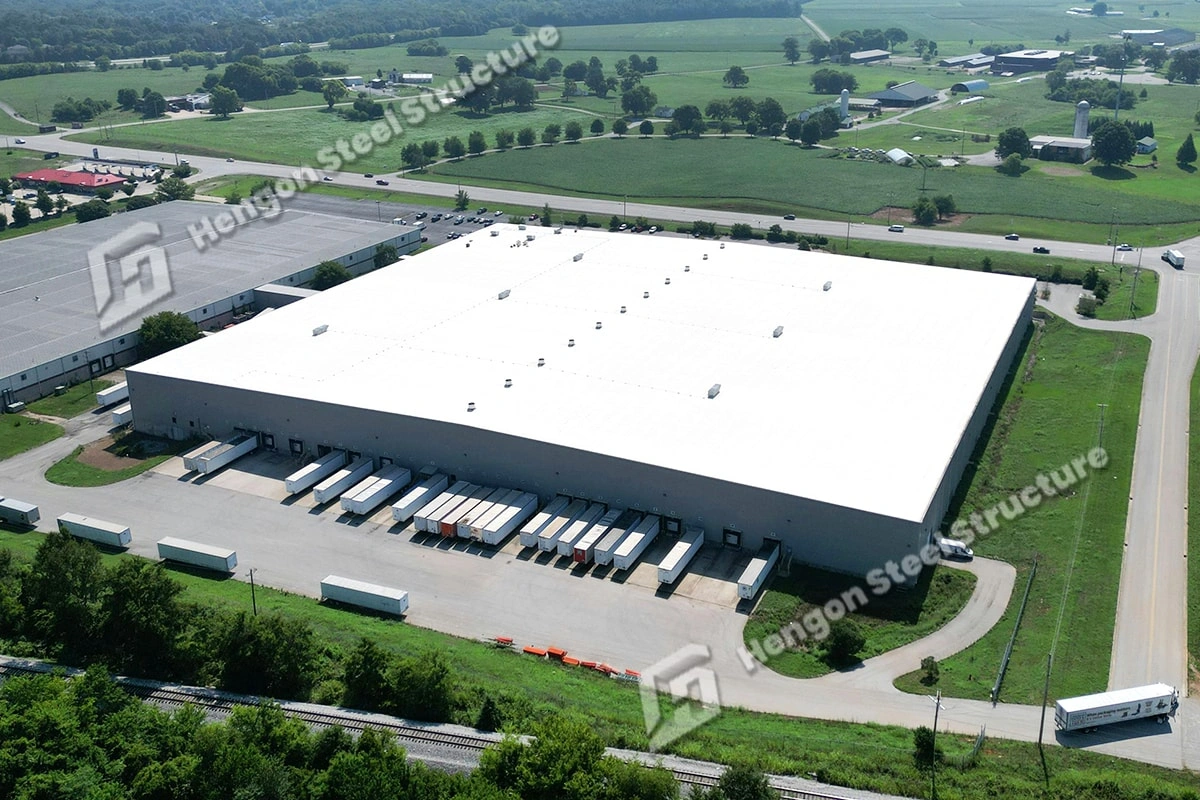
The flexibility of steel buildings allows them to be used across many industries.
Some projects require large-span warehouse workshops with no interior columns. Others may need multi-span workshop buildings with office areas, crane systems, or equipment platforms.
Steel structures are also widely used for:
· Factory workshops
· Steel warehouse buildings
· Aircraft hangars
· Agricultural processing plants
· Equipment maintenance centers
· Commercial workshops
· Metal shop buildings
· Prefab garage workshops
· Industrial storage buildings
Steel workshop buildings are really versatile, so they can work well for small personal projects or big government and industrial jobs, all because the design can be tailored to fit specific needs.
Choosing the Right Steel Workshop Supplier
Not all steel structure manufacturers are the same.
The quality of the steel processing, welding accuracy, anti-corrosion treatment, and structural engineering directly affects the final performance of the building.
An experienced supplier should not only provide steel fabrication but also help with structural design, wind load calculations, connection details, installation guidance, and export packaging solutions.
At HENGON, we provide customized Steel Structure Workshop solutions for industrial and commercial projects worldwide. Our engineering team works closely with customers to optimize design, reduce unnecessary steel consumption, and improve installation efficiency.
Final Thoughts
A Steel Structure Workshop is more than just a building. For many businesses, it is the core of production, storage, and long-term operations.
Compared with traditional construction methods, prefabricated steel workshop buildings offer faster installation, flexible layouts, lower maintenance requirements, and better long-term value.
If you are planning a factory, warehouse, or industrial project, choosing the right steel structure solution early can help save both time and cost later.
Looking for a reliable steel structure supplier for your next project?
Our team provides customized steel workshop buildings, industrial warehouses, agricultural steel structures, and large-span building solutions for global projects.
Email: consultant7@hglsgroup.com
Website: www.pebbuildingstructure.com
 English
 Español
 Français